
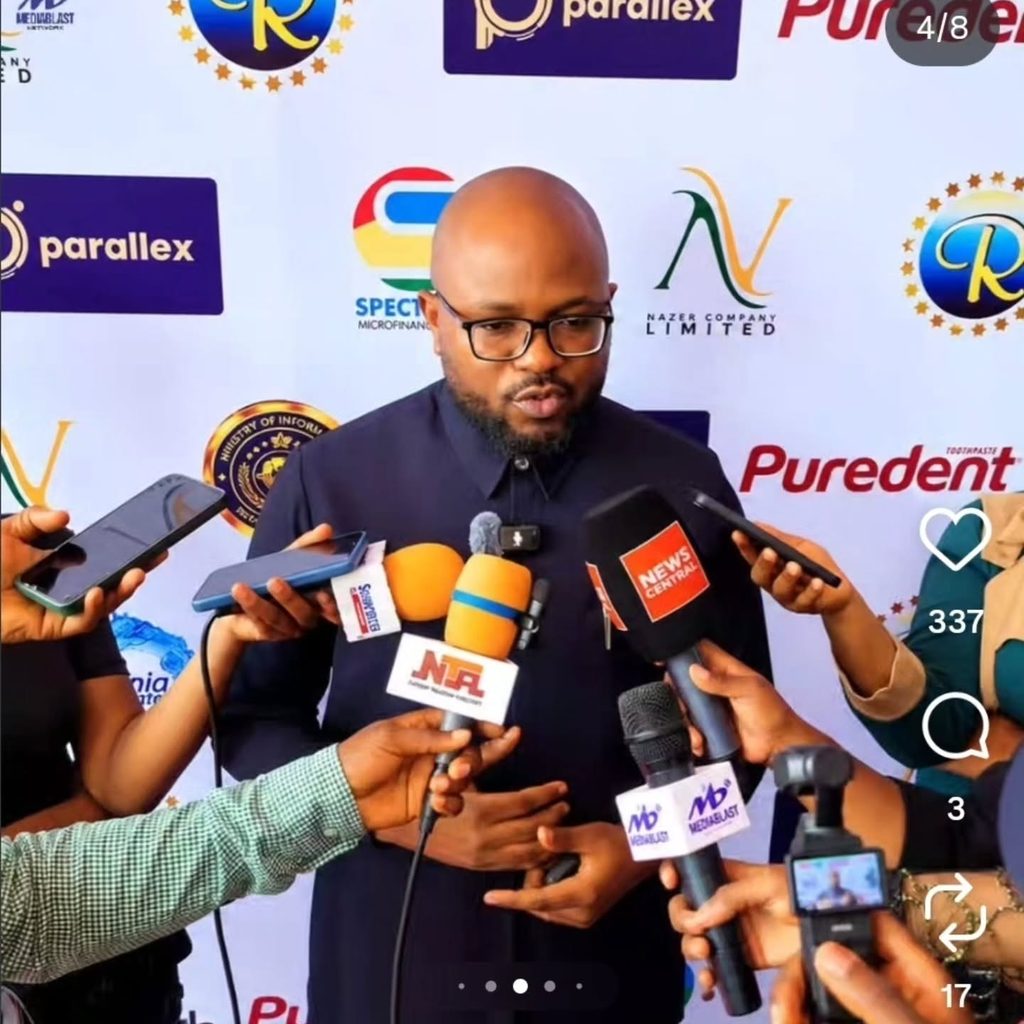
The Centre for African Policy Research and Advisory (CAfPRA) welcomes the robust discussions held at the recent Global Town Hall Meeting convened by LoveWorld Ministry of Information in Lagos. The gathering rightly placed parental rights, curriculum content, and the protection of African family values at the centre of public debate.
The Executive Director Dr Segun Adebayo noted during the meeting, faith-based institutions and African policy organisations are uniquely positioned to contribute meaningfully to conversations on morality, family values and child protection. Similar constructive engagements have already taken place in other African countries, including Liberia, involving parliamentarians and faith-based groups. The Lagos town hall continues this necessary continental conversation.
Many parents, due to the demands of work and family life, are not fully aware of the content being delivered to their children in schools or of the policies being shaped around education and family life. This information gap creates an opening that external actors can exploit. CAfPRA therefore reiterates that awareness is the essential first step. Parents, religious organisations and communities must become more informed and actively involved in matters that affect the upbringing of the next generation.
Of particular concern is the influence of foreign-funded organisations in African policy processes. While international funding is not inherently problematic, the critical questions remain: What is the funding intended to achieve, and what are its implications for our policies and values? CAfPRA has previously raised questions about policy engagement processes, including a gender-policy review meeting involving the Policy Innovation Centre in Abuja, precisely because external priorities must not override African ownership of education, health and social policy.
CAfPRA Legal Adviser Barrister Sonnie Ekwowusi underscored a fundamental principle: parents have a right to know the content of educational materials used to teach their children, especially in sensitive areas relating to sexuality and reproductive health. Allegations that some Nigerian school textbooks contain material on masturbation, sterilisation, homosexuality, sexual orientation, contraception and related topics demand greater public scrutiny. The Nigerian Educational Research and Development Council (NERDC), as the key institution responsible for curriculum development, must ensure meaningful parental participation. Parents cannot and should not be sidelined from discussions that shape children’s understanding of sexuality, relationships and family life.
The proposed African Charter on Family Values and Sovereignty offers a constructive path forward. This initiative, currently under discussion within African parliamentary and policy circles, has the potential to strengthen African ownership of policies affecting families and children. African countries must participate actively in shaping these frameworks rather than allowing external actors to determine the direction of policies that touch the heart of our societies.
CAfPRA remains committed to working within the law, engaging relevant government ministries and agencies, and supporting practical alternatives that respect parental authority and African cultural and moral foundations. We commend LoveWorld for bringing these issues into open public discussion and for developing complementary educational resources grounded in shared values.
Parents are the first and most important educators of their children. Governments, schools, faith communities and civil society must work together to ensure that educational content reflects the values and aspirations of African families. CAfPRA will continue to advocate for transparency, parental involvement and policies that protect the integrity of the African family.