
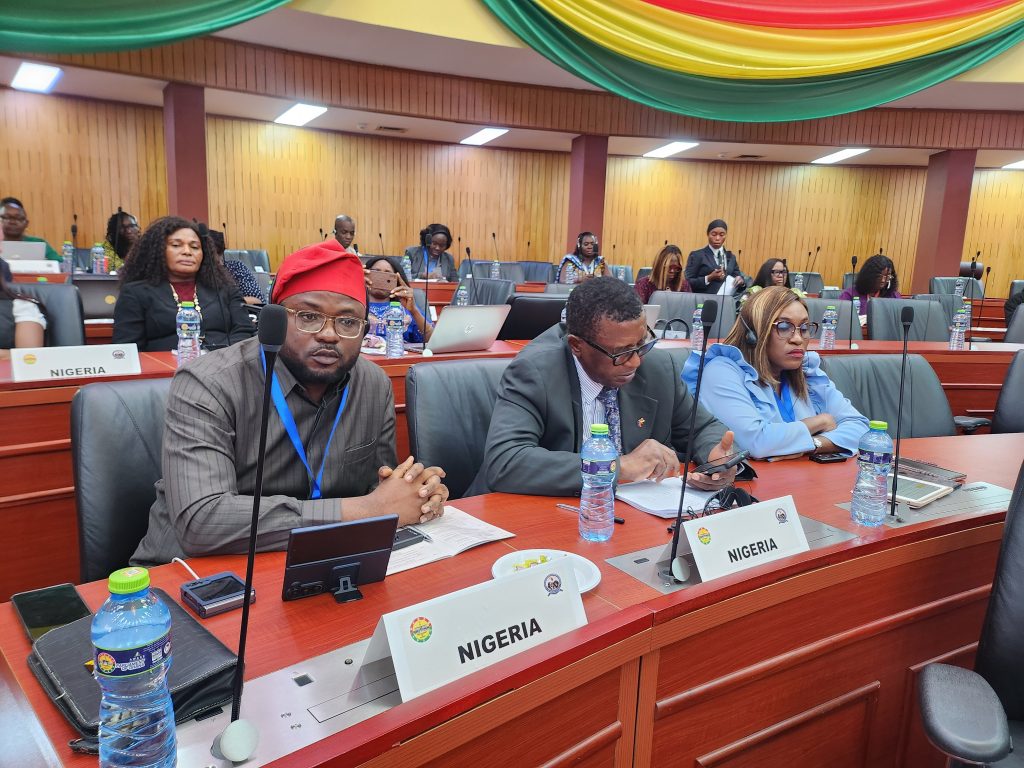
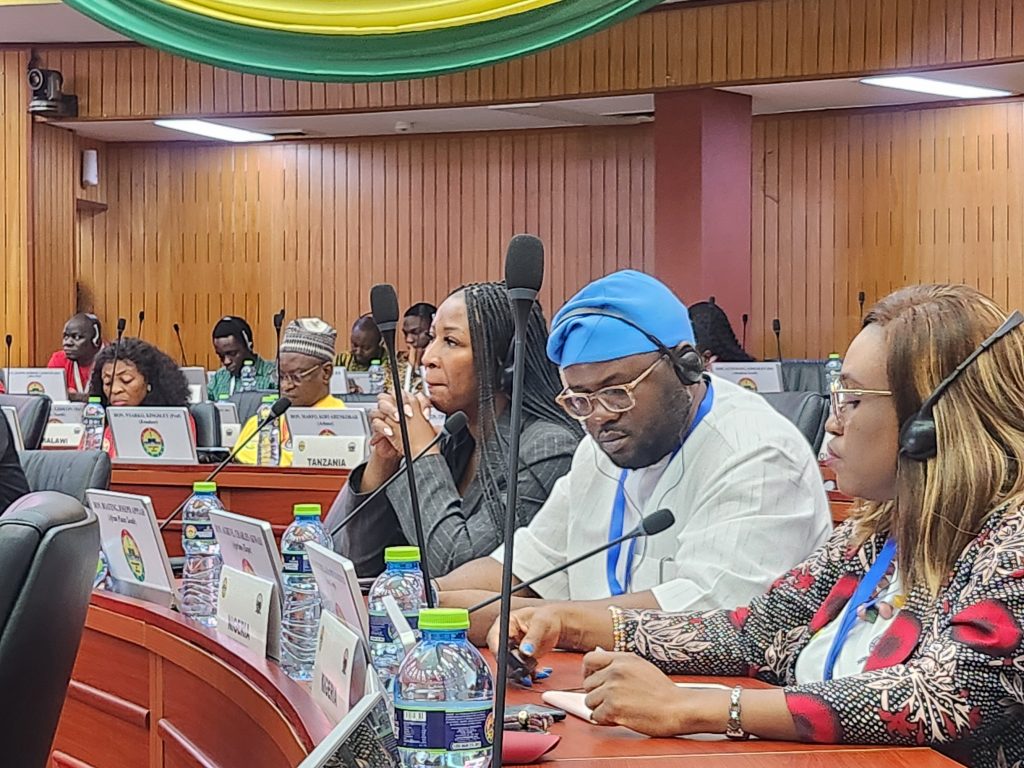
At the just-concluded 4th African Inter-Parliamentary Conference on Family, Sovereignty and Values, our Executive Director, Dr. Segun Adebayo, delivered a strong call for Africa to reclaim and protect its food and health sovereignty against foreign agendas, GMOs, and external policy influence.
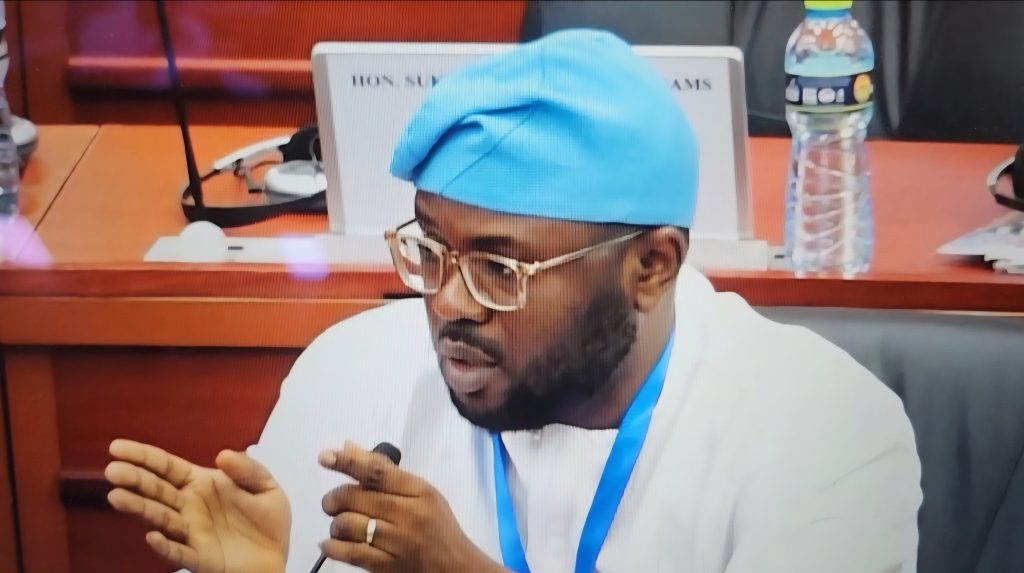
In his address, Dr. Adebayo emphasized the urgent need for African parliaments to prioritize homegrown solutions and safeguard our continent’s sovereignty. The conference, hosted by the Parliament of Ghana, focused on building consensus around the proposed African Charter on Family Values and Sovereignty.
Dr. Adebayo began on a relatable note, inviting delegates to experience Nigeria’s renowned jollof rice before delivering a powerful message: “Food is an existential requirement for life. He who controls your food will ultimately control your life. If Africa loses her food sovereignty, it is over.”
The GMO Threat and Seed Sovereignty
We remain deeply concerned about the dangers of genetically modified organisms (GMOs). Dr. Adebayo warned parliamentarians to study the issue carefully, noting that GMOs can cross-pollinate with traditional varieties and eventually wipe them out. He explained that these organisms are often engineered for single-season use, creating dangerous dependency on foreign seed companies and their associated agrochemicals.
Citing Mexico’s decision to ban GMOs after nearly losing its native crops, Dr. Adebayo urged African nations to avoid repeating the same mistake. “These technologies are incompatible with true food sovereignty,” he stressed.
“If on this side of this hall, we plant GMO maize, and on this side, we have organic maize, the GMO maize will cross-pollinate with the organic maize and wipe it out.”
Captured Parliaments and Foreign Agendas
A major theme of our intervention was the capture of African policy spaces by external interests. Many parliaments, we observed, are heavily influenced by consultants and agendas funded from abroad. This has led to the elevation of UN Sustainable Development Goals (SDGs) above Africa’s own frameworks, such as the Maputo Declaration on agriculture.
“We are driving their agenda in our parliaments instead of our own”
He questioned why policies crafted at the African Union in Addis Ababa often fail to translate into national action, noting that many member states are already aligned with external initiatives.
Health Sovereignty and Indigenous Solutions
We commended the Ghanaian government and President for integrating herbal medicine into 55 government hospitals a bold and practical step toward genuine health sovereignty. Dr. Adebayo raised critical questions about the sudden disappearance of certain health narratives once funding dried up, and the lack of independent, long-term African-led assessments of vaccines and patented medicines.
Regarding the African Health Security and Sovereignty Initiative (AHSS) launched by the African Union, we cautioned parliamentarians to scrutinize it closely. “The coinage itself ‘security and health sovereignty’ can be deceptive. We should not fall for that deception,” Dr. Adebayo warned. We continue to advocate for prioritizing indigenous solutions like Ghana’s herbal medicine integration.
He raised pointed questions about the COVID-19 response:
- Where did the virus “disappear” once PR budgets dried up?
- Why are long-term, African-led assessments of vaccines and patented medicines largely absent?
Turning to the African Health Security and Sovereignty Initiative (AHSS) launched by the African Union, Dr. Adebayo warned parliamentarians to scrutinize it closely. The initiative followed major U.S. defunding of the WHO and other UN bodies, after which African governments were encouraged to fill funding gaps, often through debt, especially for vaccine programs.
“The coinage itself ‘security and health sovereignty’ can be deceptive. We shouldn’t fall for that deception.”
The Role of Civil Society, Media, and Consensus-Building
Dr. Adebayo highlighted the soft power of well-funded civil society organizations (CSOs), many supported by foundations such as the Gates Foundation, Rockefeller, and MacArthur. These groups often serve as research consultants and policy influencers within parliaments, training aides and civil servants to advance external priorities.
He challenged delegates to examine how SDG goals displaced national development programs through such mechanisms.
Equally critical is the media’s role. Dr. Adebayo noted that media-driven narratives have reshaped cultural conversations across Africa, including on issues previously considered alien to African societies. For the African Charter on Family Values and Sovereignty to succeed, it must leave the conference hall and become a continent-wide conversation that builds genuine public consensus.
A Strong Call to Action
Dr. Adebayo concluded by urging parliamentarians to:
- Strengthen independent, Africa-centered research capacity.
- Prioritize the Maputo Declaration and other homegrown frameworks.
- Carefully evaluate initiatives like the AHSS.
- Recognize and counter the influence of external funders in policy spaces.
- Leverage the media to drive authentic African policy consensus.
We at CAfPRA believe that ideas generated at gatherings like the 4th African Inter-Parliamentary Conference must move beyond conference halls and translate into concrete action that protects Africa’s sovereignty in food, health, family values, and broader development.